About Me
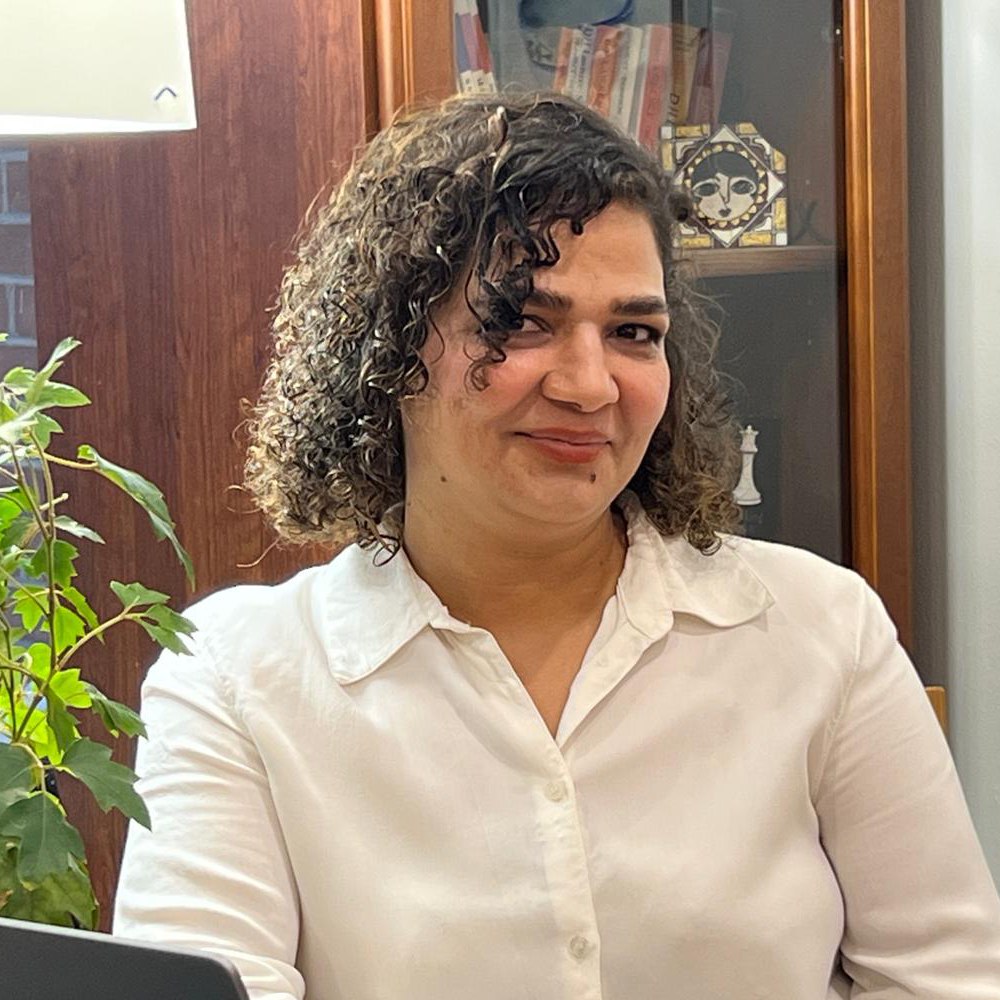
Azam Dashti Khavidaki is a PhD student in the Faculty of Education and a Digital Research Alliance of Canada Champion. She is the recipient of several prestigious scholarships and awards, including a PhD entrance scholarship from McGill University, a Fonds de recherche du Québec – Société et culture(FRQSC) doctoral scholarship, a Digital Research Alliance of Canada award, and a Sustainability Education Fellowship.
Through advanced graduate training in machine learning, artificial intelligence, and digital research infrastructure, her doctoral research bridges education, policy, and technology to examine algorithmic bias, data governance, and ethical AI in educational systems. Combining technical expertise with participatory and sustainability-oriented research methods, she works to foster 21st-century skills and advance more equitable, rights-respecting learning technologies for marginalized children and youth.
As a fellow at the Participatory Cultures Lab, Azam explores the intersections of AI and justice and co-founded ArtVoiceLab, a public-facing platform that amplifies marginalized youth voices through cellphilming, photovoice, and data storytelling. Her current work examines how design choices in adaptive and AI-driven learning platforms shape children’s safety, data governance, algorithmic fairness, and future opportunities, and how this evidence can inform more ethical, equitable, and sustainable education policy and practice.
Azam contributed to a McGill–UQAM study on the Wellbeing project through art-based pedagogy. With 15 years of curriculum design and teaching experience across Iran and Canada, she also delivers workshops on AI literacy, open science, and digital storytelling for educators and graduate students.
Azam earned an M.A. in Educational Leadership from McGill (2024) and an MA in English Literature from a top-ranked Iranian university (2013).
Research Interests
- Children’s rights and digital safety
- Fair and ethical use of AI in education
- Participatory Visual Methods (cellphilming, photovoice)
- 21st century skills & Digital Equity
- AI & Sustainable Development
- Privacy, data protection, and online safety
- Sustainable and responsible digital futures
- Algorithmic Fairness in Education
- Data Governance & FAIR Principles &Open Science
She has extensive research experience in participatory, arts-based, and qualitative methodologies, particularly working with marginalized youth and refugee children. Her research includes leading and co-facilitating projects involving cellphilming, photovoice, and digital storytelling, with a focus on social justice, equity, and ethical engagement.